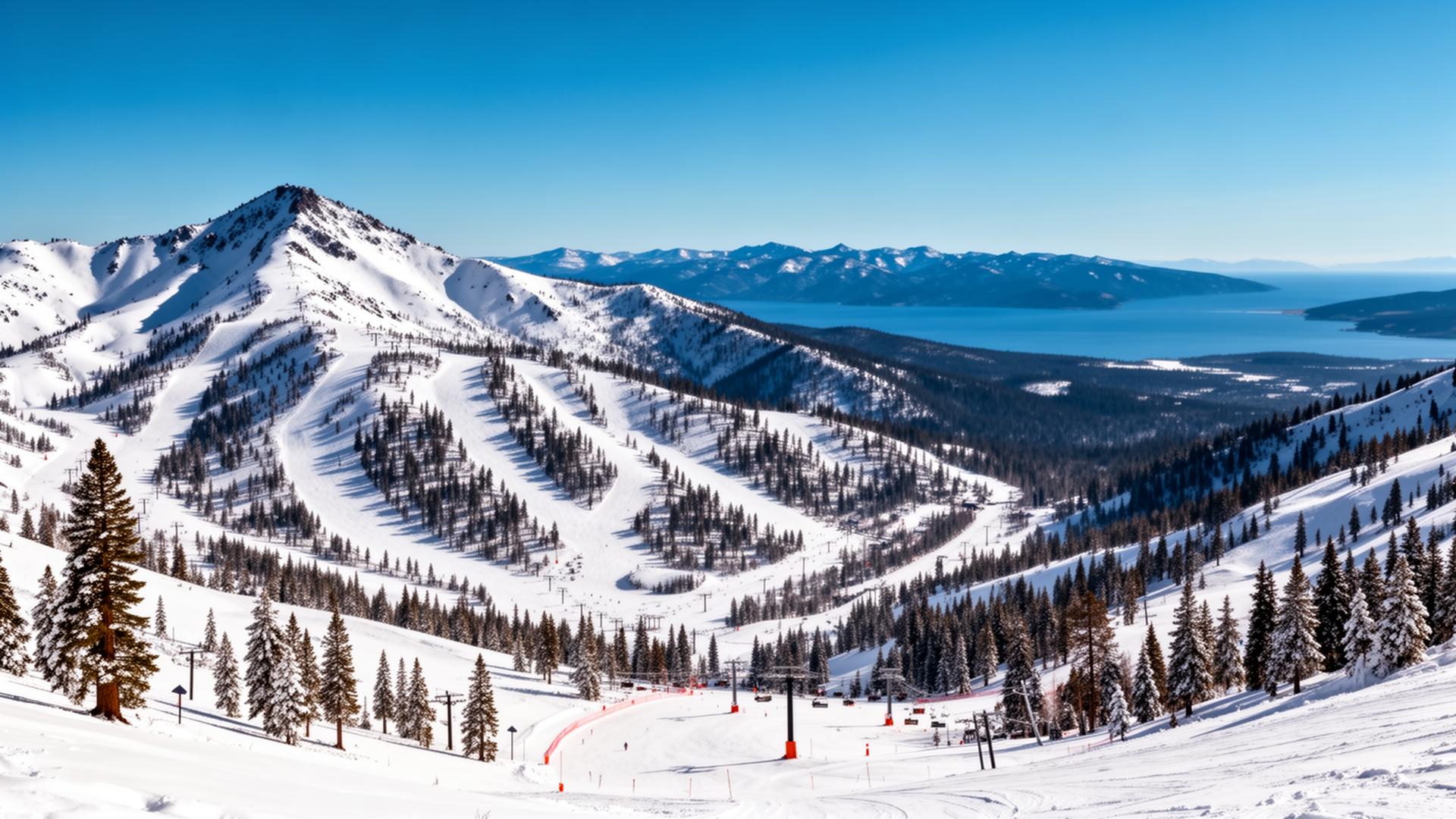
Palisades Tahoe — formerly known as Squaw Valley Alpine Meadows — is one of the crown jewels of California skiing. Spread across two interconnected mountains with over 6,000 acres of skiable terrain, it hosted the 1960 Winter Olympics and remains a destination resort that draws skiers from around the world. Whether you're planning your first visit or returning for another season, this guide covers everything you need to know.
Best Time to Visit
Palisades Tahoe sits at the northern end of the Sierra Nevada range, where Lake Tahoe's proximity and high elevation combine to produce some of the most consistent snowfall in California.
Peak Season: January through March
January and February are widely considered the best months for snowfall at Palisades Tahoe. The resort averages over 400 inches of snow per season, and the bulk of that accumulation happens in these months. Expect consistent powder days, fully open terrain, and the full mountain experience. This is also peak demand, so book lodging and rentals well in advance.
Powder Months
January is historically the snowiest month, but February and early March can deliver equally impressive storms. The Sierra Nevada is known for "Sierra Cement" — heavier, wetter snow that skis well on steep terrain. When a major Pacific storm rolls through, the upper mountain at KT-22 and Headwall deliver world-class powder skiing.
Spring Skiing: April and May
Palisades Tahoe often skis well into April and sometimes May. Spring conditions bring warmer temperatures, softer afternoon snow, and uncrowded runs. The high-speed Funitel tram and the GS Bowl offer excellent corn snow on clear spring days. Lift tickets are typically discounted in spring, making it a great value window.
Holiday Crowds to Avoid
Christmas week (Dec 26–Jan 1) and Presidents' Day weekend are the two busiest periods of the season. Lift lines can stretch 30–45 minutes at popular chairs. If your schedule is flexible, target the weeks immediately before or after these dates for excellent snow with far lighter crowds.
Getting There: Nearest Airports
Palisades Tahoe is located near Tahoe City on the northwest shore of Lake Tahoe. There are three practical airport options depending on where you're traveling from.
Reno-Tahoe International Airport (RNO) — Approx. 1 hour
RNO is the closest major airport to Palisades Tahoe and the most convenient option for most visitors. The drive via I-80 West and CA-89 South takes roughly 60–70 minutes in normal winter conditions. Be prepared for chain controls on I-80 during active storms.
Sacramento International Airport (SMF) — Approx. 2.5 hours
SMF is served by most major carriers and offers competitive fares. The drive to Palisades Tahoe goes east on I-80 through the Sierra Nevada and takes about 2.5 hours in good conditions, though winter storms can add significant time. Always check Caltrans chain control conditions before departing.
San Francisco International Airport (SFO) — Approx. 4 hours
SFO offers the widest range of flight options but is a longer drive. The route via I-80 East through Sacramento is straightforward but can be heavily congested on Friday afternoons and Sunday evenings during ski season. Budget 4–5 hours minimum, and consider flying into RNO instead if your destination is Palisades Tahoe specifically.
Car Rental vs. Shuttle/Transit
Is a Car Recommended?
A rental car or personal vehicle is strongly recommended for a Palisades Tahoe trip. The resort is not easily accessible by public transit, and having a car gives you flexibility to explore multiple bases, access restaurants in Tahoe City or Truckee, and avoid shuttle dependency. If you plan to stay ski-in/ski-out at the resort village, you can manage without a car but will have less flexibility.
Shuttle Services Available
- North Lake Tahoe Express: Operates daily service between RNO and multiple North Lake Tahoe lodging properties, including stops near Palisades Tahoe. Reservations required.
- Tahoe Truckee Area Regional Transit (TART): Public bus service connects Tahoe City, Truckee, and the Palisades Tahoe base area. Affordable but limited frequency.
- Resort Shuttles: Many lodging properties near the resort offer complimentary ski shuttles during peak season.
Driving Tips
If driving, carry tire chains and know how to install them. Chain controls on I-80 and CA-89 are common during storm cycles. Four-wheel drive or all-wheel drive vehicles are strongly recommended. Download the Caltrans QuickMap app before your trip to monitor road conditions in real time.
Where to Stay
Resort-Side Lodging: The Village at Palisades Tahoe
The Village at Palisades Tahoe offers slope-side condominiums, hotels, and rentals just steps from the base area lifts. Pros: True ski-in/ski-out access, no commute, easy return for gear storage or lunch, lively après-ski atmosphere with restaurants and shops in the village. Cons: Premium pricing, especially on weekends and holidays. Book months in advance for peak dates.
Tahoe City — 5 Minutes Away
Tahoe City is the nearest full-service town, just a 5-minute drive from the resort. It offers a range of lodging from vacation rentals to boutique hotels, plus a strong dining and bar scene along the lake. This is the best balance of proximity and value for most visitors.
Truckee — 20 Minutes Away
Truckee is a charming mountain town 20 minutes north of the resort via CA-89. It offers historic downtown dining, independent hotels, and vacation rental inventory at lower prices than lakeside properties. The drive to the resort is easy and straightforward.
Kings Beach and Incline Village — 30–40 Minutes Away
These communities on the north and northeast shores of Lake Tahoe offer additional lodging options, particularly vacation rentals and condos. The commute is manageable on most days but can extend to 45–60 minutes during storm traffic or holiday weekends. These areas are better suited if you also plan to ski at Mt. Rose or other eastern Sierra resorts.