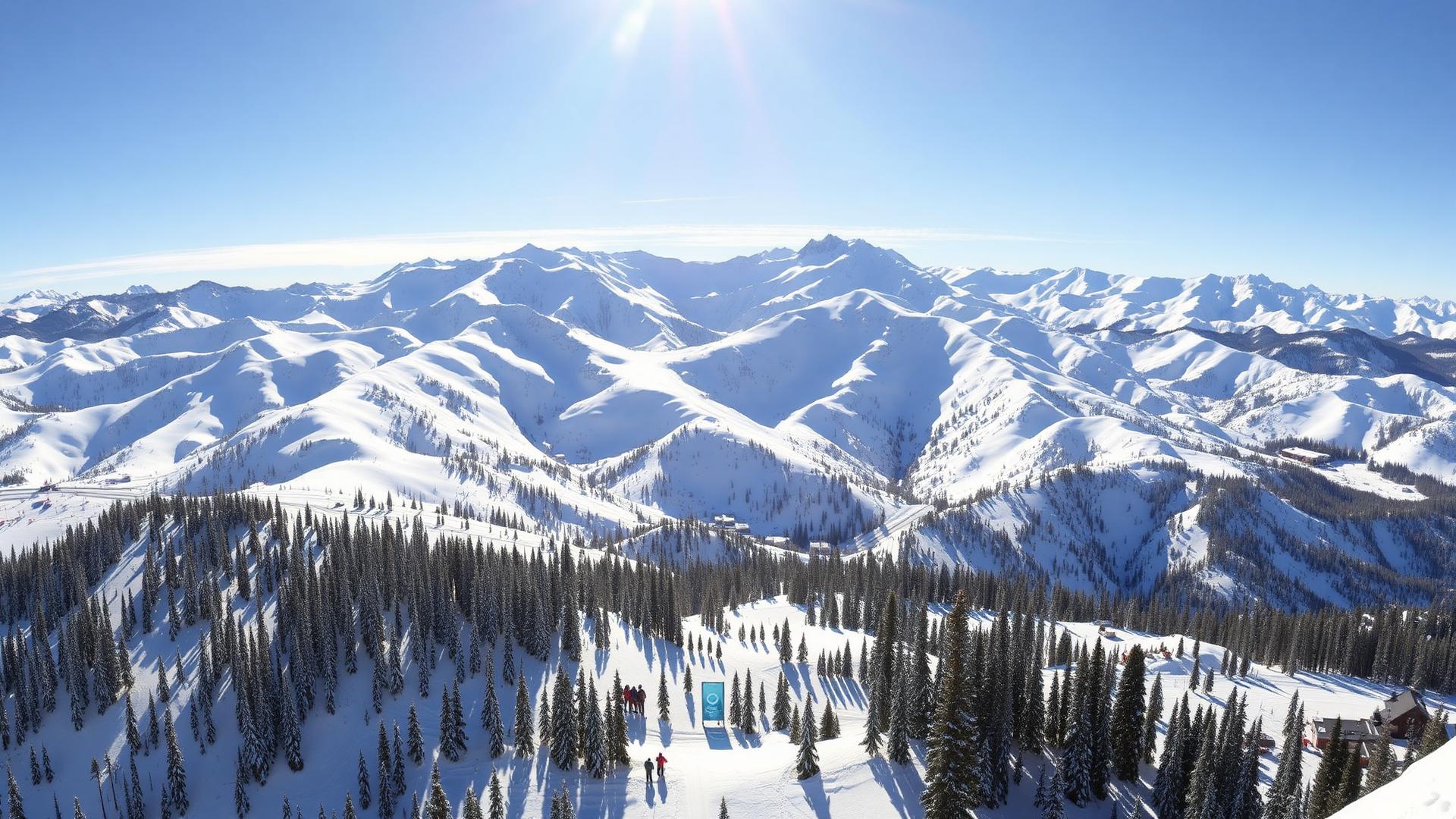
Mammoth Mountain is in a class of its own among California ski resorts. Perched atop an active volcanic field in the Eastern Sierra Nevada at a summit elevation of 11,053 feet, it receives some of the deepest snow in California and routinely stays open into June — and occasionally July. If you're serious about skiing in California, a Mammoth trip is essential.
Best Time to Visit
Mammoth's exceptional elevation is the key to understanding its season. The mountain sits above the elevation where most California storms drop their heaviest snow, giving it a longer season and deeper base than nearly any other California resort.
Peak Season: January through April
January through March delivers the core winter experience — deep snow, all lifts running, and the full 3,500 acres accessible. April is arguably the best month at Mammoth: the snowpack has accumulated all winter, spring storms still roll through, and the mountain typically runs full operations with growing daylight and warmer temperatures at the base.
Powder Months
February and March are historically Mammoth's highest snowfall months. The resort averages over 400 inches per season, with some years exceeding 600 inches. After a major storm, the upper mountain — particularly the Cornice Bowl and Scotty's runs — offers exceptional powder skiing at high elevation.
Spring Skiing: April through June
Spring skiing at Mammoth is world-class. The combination of a deep late-season snowpack, warm sunny days, and cooler morning corn snow makes April and May particularly enjoyable. The resort often runs a reduced lift operation through Memorial Day weekend and beyond. If you've never skied in May in a t-shirt with views of the high desert, add it to your bucket list.
Holiday Crowds to Avoid
Mammoth is a major drive destination from Southern California, making it extremely crowded during Christmas week, Presidents' Day weekend, and spring break. The town of Mammoth Lakes has limited accommodation inventory relative to demand during these periods — prices surge and traffic on US-395 can be brutal on Friday evenings. Target late January or early-to-mid February for excellent snow with lighter crowds.
Getting There: Nearest Airports
Mammoth Mountain is located in Mammoth Lakes, a remote Eastern Sierra town accessible primarily by US-395. Airport options range from extremely convenient to a full-day commitment.
Mammoth Yosemite Airport (MMH) — Approx. 15 minutes
Mammoth Lakes has its own small regional airport with commercial service via United Airlines from Los Angeles (LAX) and San Francisco (SFO) during ski season. Flight times are short (under 1 hour from LAX), and the airport is literally 15 minutes from the mountain. However: flights are frequently canceled or delayed due to winter weather, so build schedule flexibility into any trip using MMH. Always have a backup plan.
Los Angeles International Airport (LAX) — Approx. 5 hours
LAX is the most common origin point for Southern California skiers. The drive north on I-405 to US-14 to US-395 takes 5–6 hours depending on LA traffic (budget extra time on Friday afternoons). The drive is straightforward once you clear the basin — US-395 through the Owens Valley offers dramatic Eastern Sierra scenery.
Reno-Tahoe International Airport (RNO) — Approx. 3 hours
RNO is a strong option for those flying from the Pacific Northwest, Mountain West, or connecting flights. The drive south on US-395 through the desert takes about 3 hours and is generally free of the chain control issues that affect the west side of the Sierra. This is one of the most reliable winter driving routes to Mammoth.
Car Rental vs. Shuttle/Transit
Is a Car Recommended?
A car is essentially required for a Mammoth Mountain trip unless you're staying directly adjacent to the Village Gondola base. The town of Mammoth Lakes is spread out across several miles, and the mountain has multiple base lodge access points. Without a car, you'll depend entirely on the free resort shuttle system, which is reliable within the Mammoth Lakes town limits but not to/from airports.
Shuttle Services Available
- Mammoth Lakes Free Trolley: The town operates free shuttle buses connecting major lodging zones (Canyon Lodge, Main Lodge, Village Gondola, Warming Hut II, Juniper Springs) throughout ski season. This is excellent for getting around the mountain once you're in Mammoth Lakes.
- Eastern Sierra Transit Authority (ESTA): Operates bus service connecting Mammoth Lakes to Bishop and other Eastern Sierra communities. Not practical for ski day use but useful for longer stays.
- LAX to Mammoth Shuttles: Several private shuttle operators offer direct service from LAX and Burbank to Mammoth Lakes during peak season. Book in advance.
Where to Stay
The Village at Mammoth — Gondola Access
The Village at Mammoth is the pedestrian-friendly base area at the lower mountain, anchored by the Village Gondola. Condominiums, hotels, and rental properties surround the plaza. Pros: Walk to the gondola, ski storage on-site, lively restaurant and bar scene, central location. Cons: Most expensive lodging zone; the Village Gondola accesses mid-mountain, not the top.
Canyon Lodge Area — Mid-Mountain Access
The Canyon Lodge base area on the south side of the mountain offers condominiums and hotels with more direct access to a larger portion of the terrain. Properties like the Grand Sierra Lodge and Mammoth Mountain Inn are in this zone. The free trolley connects Canyon Lodge to the Village and other base areas.
Mammoth Lakes Town — Value Options
The broader Mammoth Lakes town area along Old Mammoth Road and Main Street offers motels, condo complexes, and vacation rentals at lower prices than the resort-adjacent properties. The free trolley system makes these properties fully practical for ski days. This zone also puts you closer to the town's restaurant and grocery options.
June Lake — 20 Minutes Away
The small community of June Lake, just off US-395 south of Mammoth, offers vacation rentals and a dramatically quieter alternative to the Mammoth Lakes crowds. June Mountain — a small, charming Alterra-owned resort — is right there. The commute to Mammoth Mountain is 20–25 minutes, easy on a clear day but longer in a storm.